

6 Natural Remedies for Even Skin

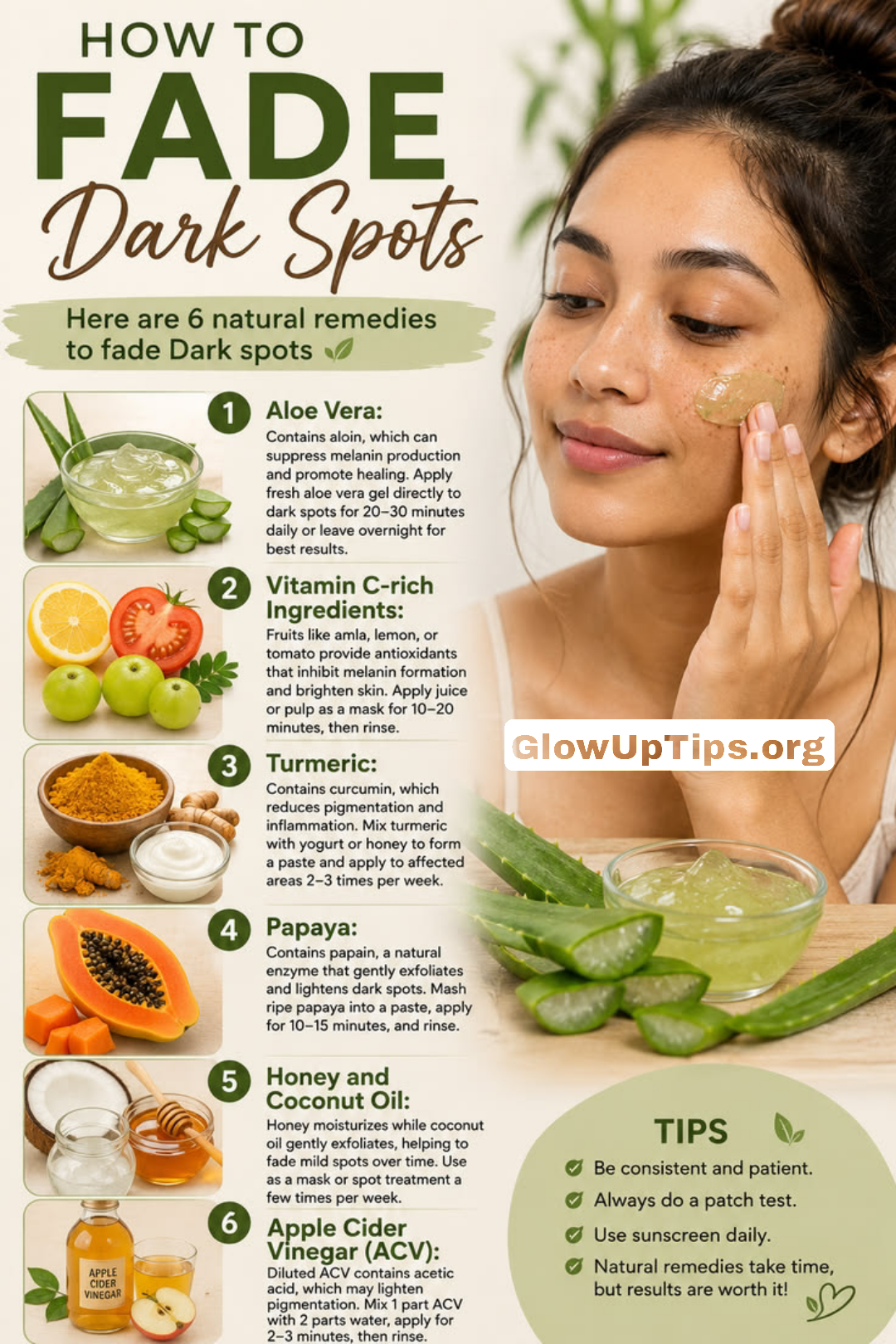
Dark spots, whether from sun exposure, acne scars, or hormonal changes, can linger on your skin for months or even years if left untreated. The good news is that nature provides a wealth of ingredients capable of gently fading hyperpigmentation without the harsh side effects of synthetic bleaches. From the cooling gel of aloe vera to the enzymatic power of papaya, each of these six remedies works through a unique mechanism to inhibit melanin production, exfoliate dead cells, and promote healthy skin regeneration. Consistency and patience are your greatest allies, because natural brightening is a gradual process. Here is everything you need to know about each remedy and how to incorporate them into your routine.
Fading dark spots naturally is a journey of consistency, not a race to instant results. Aloe vera suppresses melanin, vitamin C rich fruits inhibit pigmentation, turmeric reduces inflammation, papaya exfoliates gently, honey and coconut oil nourish, and apple cider vinegar provides mild peeling action. The golden rule is to patch test every new ingredient, apply sunscreen religiously, and give each remedy at least six weeks of regular use to show visible improvement. Natural brightening is gentle, sustainable, and ultimately more rewarding for your skin's long term health.
Aloe Vera: The Melanin Suppressor
Aloe vera is far more than a sunburn soother; it contains a compound called aloin, which has been shown to actively suppress melanin production in the skin. This makes it a gentle yet effective choice for fading dark patches over time. To use this remedy, slice open a fresh aloe leaf and extract the clear gel directly from the plant. Apply this gel generously onto your dark spots and leave it on for twenty to thirty minutes each day. For more accelerated results, you can even leave the gel on overnight and rinse it off in the morning. The cooling sensation also calms any underlying inflammation, which is often a contributing factor to post acne marks.
Vitamin C Rich Ingredients: The Brightening Boost
Vitamin C is a gold standard in dermatology for its ability to inhibit the enzyme tyrosinase, which is responsible for melanin formation. You can harness this power from three common kitchen fruits: amla, lemon, and tomato. Amla, or Indian gooseberry, is exceptionally high in natural vitamin C and antioxidants. Lemon provides a sharp acidic punch that gently exfoliates, while tomato offers a milder alternative rich in lycopene. To create a mask, extract the juice or mash the pulp of your chosen fruit and apply it directly to your dark spots. Leave the mixture on for ten to twenty minutes, then rinse thoroughly with cool water. Because lemon can increase photosensitivity, always perform this treatment in the evening and never skip your sunscreen the next day.
Turmeric: The Anti Inflammatory Pigment Fighter
Turmeric owes its bright yellow hue and skin clearing powers to curcumin, a bioactive compound that reduces both pigmentation and inflammation. Dark spots that are accompanied by redness or irritation respond particularly well to this remedy. To prepare a paste, mix a pinch of turmeric with either yogurt or honey. Yogurt adds lactic acid for mild exfoliation, while honey provides deep hydration and antibacterial support. Apply this golden paste to your affected areas and let it sit for about fifteen minutes before rinsing. Use this treatment two to three times per week to gradually lighten stubborn marks. Be mindful that turmeric can temporarily stain the skin yellow, but this washes away with your regular cleanser.
Papaya: The Enzymatic Exfoliator
Papaya contains papain, a natural enzyme that breaks down dead skin cells and accelerates cellular turnover. This gentle exfoliation helps shed the pigmented outer layers of your skin, revealing fresher, lighter tissue underneath. To make this mask, mash a ripe piece of papaya into a smooth pulp, ensuring there are no lumps. Apply the paste evenly over your dark spots and leave it on for ten to fifteen minutes. The fruit's natural acids work during this time without causing stinging or peeling. Rinse with lukewarm water and pat your skin dry. For best results, use this treatment twice a week, and you will notice your spots becoming less pronounced over several weeks.
Honey and Coconut Oil: The Hydrating Duo
Not all dark spots require aggressive treatments; mild pigmentation often responds beautifully to consistent moisture and gentle exfoliation. Honey is a natural humectant that draws water into the skin, while coconut oil contains lauric acid that gently breaks down surface debris and softens rough patches. Together, they create a nourishing mask that fades mild spots over time without stripping your skin. Simply mix equal parts raw honey and coconut oil, warm the mixture slightly to combine them, and apply it as a spot treatment or all over your face. Leave it on for fifteen to twenty minutes before rinsing. Use this remedy a few times per week, and your skin will gradually appear more even and supple.
Apple Cider Vinegar: The Mild Acid Peel
Apple cider vinegar contains acetic acid, a mild acid that can lighten pigmentation by gently peeling the outermost layer of your skin. However, this ingredient is potent and must always be diluted to prevent chemical burns. Mix one part apple cider vinegar with two parts water, ensuring the ratio is correct. Using a cotton pad, apply the diluted solution directly to your dark spots and leave it on for just two to three minutes. Do not exceed this time, as overexposure can cause irritation. Rinse immediately with cool water and follow with a moisturizer. Because this treatment is stronger than the others, limit its use to once or twice per week and always patch test beforehand.
Essential Tips for Success
Natural remedies are wonderfully effective, but they require the right approach to deliver results. Consistency is non negotiable; these ingredients work slowly, so you must commit to a regular schedule for at least four to six weeks before judging their effectiveness. Always perform a patch test on your inner arm before applying any new ingredient to your face, especially with lemon, turmeric, or apple cider vinegar, which can cause reactions in sensitive individuals. Sunscreen is your most critical partner in this journey; unprotected exposure will darken existing spots and create new ones, completely undermining your efforts. Apply a broad spectrum SPF 30 or higher every single morning, even on cloudy days. Finally, remember that patience is a virtue; natural fading takes time, but the results are healthy, sustainable, and well worth the wait.
Final Thoughts
Fading dark spots naturally is entirely achievable with the right ingredients and a disciplined routine. Whether you choose the melanin suppressing power of aloe vera, the brightening antioxidants of vitamin C fruits, the anti inflammatory action of turmeric, the enzymatic exfoliation of papaya, the hydrating duo of honey and coconut oil, or the mild acid peel of apple cider vinegar, each remedy offers a safe and affordable pathway to clearer skin. You can even rotate between these treatments based on your skin's needs on any given day. With consistent care and diligent sun protection, your skin will gradually reveal a more even, radiant, and confident complexion.


Feel free to ask questions or just let me know if you found this useful or something else, stay glowy.....